
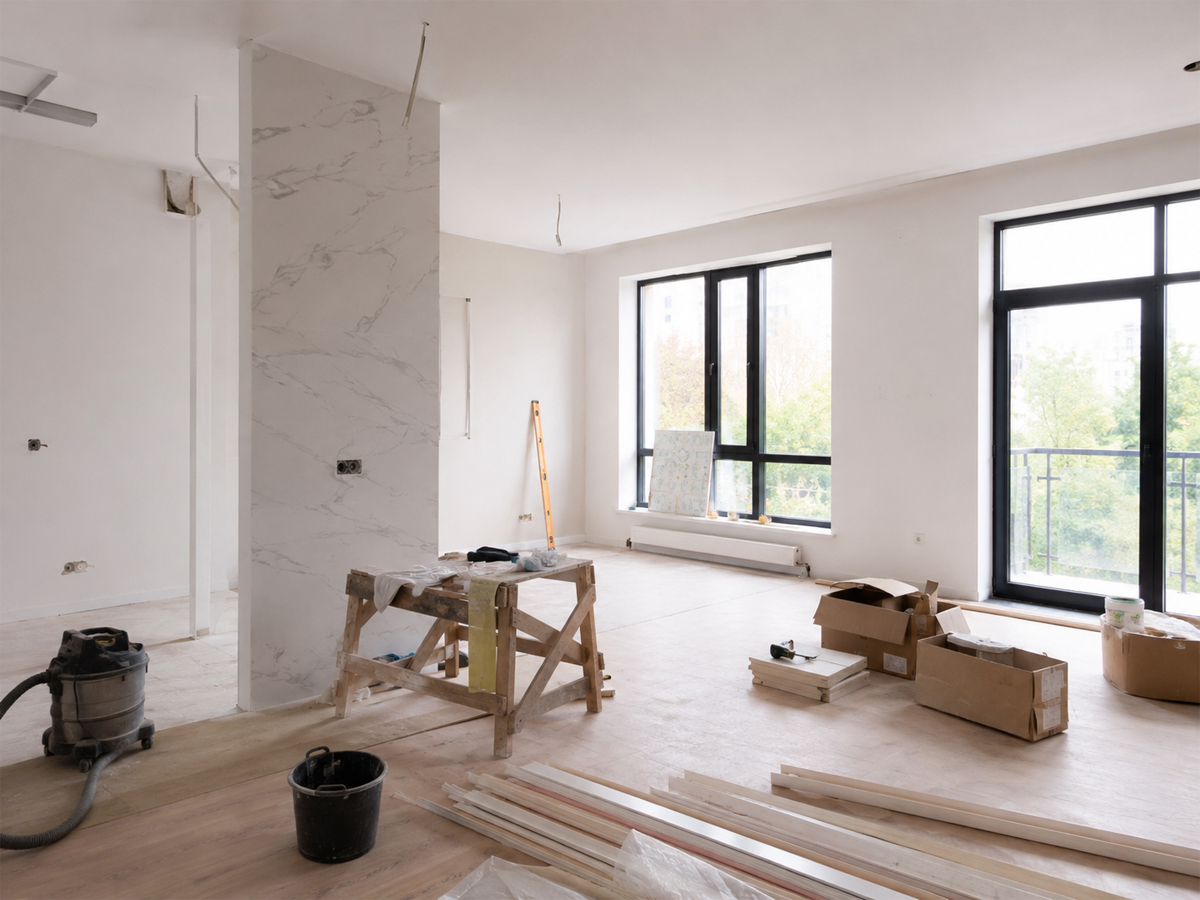
Demolition is the moment a remodel stops being an idea and becomes a construction project inside a real home. Before a wall is opened, flooring is removed, cabinets are pulled, or tile is broken out, every assumption should be questioned. A clean demolition day is not about rushing into teardown. It is about confirming what should be removed, what must be protected, what hidden issues may appear, and who makes decisions when the home reveals something unexpected.
A remodel can move with far more confidence when the homeowner, contractor, designer, and trade professionals are aligned before demolition begins. The goal is not to predict every discovery behind walls or beneath floors. The goal is to create a clear process so those discoveries are handled safely, honestly, and with documented decisions.
A remodel can become confusing quickly when “demo” means different things to different people. One person may assume everything comes out. Another may expect only tile, cabinets, or fixtures to be removed. Before work begins, the demolition scope should be specific enough that every crew member understands the boundaries.
Homeowners should ask which walls, surfaces, fixtures, finishes, appliances, and built-ins are part of the demolition scope. This includes flooring, baseboards, cabinets, countertops, backsplash, plumbing fixtures, lighting, doors, mirrors, shelving, and trim.
The question should be direct: “What is being removed, what is staying, and what is only being opened for inspection?” That distinction helps prevent accidental damage to materials that are meant to remain.
Protection is part of demolition planning, not an afterthought. Adjacent flooring, nearby cabinets, stairways, hallways, windows, doors, furniture, and finished rooms may need coverings or barriers before demolition begins. Even areas outside the remodel zone can be affected by foot traffic, dust, debris removal, and tool movement.
A strong pre-demolition walkthrough should identify protected surfaces in writing or with clear markings. Photographs are useful because they capture existing conditions before dust and debris change the space.
Not everything removed from a home is trash. Some appliances, doors, fixtures, hardware, cabinet fronts, mirrors, lighting, or trim may be saved for reuse, donation, or storage. These items should be identified before crews begin working.
If something is being preserved, it should be removed carefully and stored safely. A contractor should not have to guess whether an item has sentimental, practical, or replacement value.
Demolition should support the new design, not expose the fact that major design decisions are still unresolved. When the layout is unclear, crews may open walls or remove finishes without knowing what must be built next.
A remodel does not need every decorative detail finalized before demolition, but the major layout decisions should be stable. Cabinet locations, appliance positions, plumbing fixture placement, shower size, door swings, island clearance, lighting zones, and storage needs all affect what gets removed and what must remain accessible.
When layout decisions are still shifting, demolition can create rework. For example, opening one wall may not be enough if a plumbing line must move. Removing cabinets may reveal that the future appliance plan requires different electrical or ventilation preparation.
Fixtures, appliances, lighting, and cabinetry affect the hidden work behind the finished surfaces. A shower system may require specific valve placement. A range or cooktop may affect ventilation. A refrigerator may need water access. Cabinet dimensions can influence outlet locations, backsplash height, and countertop support.
For kitchen projects, planning demolition around the future layout is especially important because cabinet runs, islands, appliance clearances, and lighting all connect. A thoughtful approach to kitchen remodeling from design to construction helps demolition support the finished space rather than interrupt it.
Some finish selections can be refined after demolition, but structural, mechanical, and layout decisions should not be treated casually. Paint colors, certain hardware choices, and some decorative details may have flexibility. Plumbing routes, electrical locations, wall openings, and cabinet footprints usually require earlier clarity.
Demolition often reveals conditions that were not visible during the planning stage. This is especially common in older homes or spaces that have been remodeled before. The key is not to pretend hidden conditions will never appear. The better approach is to ask how they will be handled.
Water damage, dry rot, mold concerns, termite damage, cracked framing, uneven subfloors, outdated wiring, corroded plumbing, or past unpermitted work can change the remodel plan. These issues may be impossible to confirm until materials are removed.
The contractor should explain how discoveries will be documented and reviewed. Homeowners should expect clear communication, photos when appropriate, and a written explanation before additional corrective work proceeds.
A remodel stays more controlled when unexpected work is handled through a documented process. The homeowner should know who has authority to approve changes, how repair options will be presented, and how scope adjustments will be recorded.
Verbal decisions can create misunderstandings. Written approvals protect both the homeowner and the project team because they clarify what changed, why it changed, and what work is now authorized.
When demolition reveals something unexpected, work should pause long enough to document the issue and decide on the next step. That does not mean the entire project stops indefinitely. It means the discovery is treated seriously before it is covered, ignored, or expanded into additional work.
Demolition can involve water lines, gas lines, wiring, HVAC registers, exhaust systems, and connected appliances. Safety depends on knowing what is live, what is shut off, and what may be hidden behind surfaces.
Before demolition begins, homeowners should ask whether water, gas, electrical circuits, or HVAC components must be disconnected or isolated. Fixtures should not be removed until the proper shutoffs are confirmed. Appliances should be disconnected safely. Older valves, unknown junctions, or unlabeled circuits require caution.
This is where experienced trade coordination matters. A demolition crew should not be guessing around active utilities.
Open walls create an opportunity to evaluate outlet placement, lighting, switches, dedicated circuits, panel capacity, and older wiring. A remodel may require electrical coordination when appliances move, lighting plans change, or new rooms are added.
For homes where electrical work is part of the scope, it is important to coordinate demolition with qualified support for panel upgrades and whole-home rewiring when those services are relevant to the project.
Some work cannot simply be covered after demolition. Plumbing, electrical, framing, and ventilation may need proper review before walls are closed. Homeowners should ask which inspections may apply and how the contractor plans to sequence rough-in work, documentation, and close-up.
Bathrooms are small spaces with high risk. Water, ventilation, tile, drainage, and waterproofing all work together. Demolition in a bathroom should be careful because visible surfaces often hide the most important conditions.
Bathroom demolition may expose wet framing, damaged subflooring, old plumbing, improper previous repairs, failed shower pans, weak ventilation, or uneven walls. These findings matter because new finishes should not be installed over compromised conditions.
A bathroom remodel should not focus only on what looks new. It should address the systems that keep the space dry, functional, and durable.
Before demolition begins, homeowners should confirm the location of the shower, tub, toilet, vanity, lighting, exhaust fan, and storage. Fixture placement affects plumbing, framing, electrical, and waterproofing decisions.
A thoughtful bathroom remodeling with fixture and finish upgrades approach connects the visible design to the hidden systems that support it.
If the home has more than one bathroom, access may be easier to manage. If not, the demolition plan must account for daily living needs. Toilet removal, water shutoffs, shower access, and cleanup routines should be discussed before work begins.
Cabinets often become a default demolition item, but full removal is not always the only option. The right decision depends on cabinet condition, layout goals, storage needs, and the desired finish.
Before removing cabinets, homeowners should ask whether the existing boxes are level, sturdy, dry, and properly attached. If cabinet boxes are damaged, poorly built, or no longer fit the layout, full removal may be appropriate. If they are solid and the layout works, preserving them may reduce unnecessary disruption.
When the cabinet layout still works, refacing may be worth evaluating. It can update the appearance while keeping the existing cabinet structure in place. That option depends on cabinet condition and design goals, not wishful thinking.
For projects where the framework is suitable, cabinet refacing instead of full replacement can be part of a more selective remodel strategy.
Cabinet boxes, drawer slides, hinges, toe kicks, walls, and floor edges can be damaged during countertop or backsplash removal. If any part of the cabinet system is staying, demolition should be planned with that protection in mind.
Not every demolition task is cosmetic. Some remodels involve walls, posts, headers, foundations, roofs, exterior walls, or room expansions. These decisions require extra care because they affect how the home carries weight and resists weather.
Homeowners should ask whether any wall, beam, post, ceiling section, chimney, stair opening, or exterior surface could be structural. Load-bearing elements should not be removed casually. Structural work may require plans, engineering, temporary support, and inspection coordination.
When exterior walls, roofs, windows, or doors are involved, demolition can expose the home to weather and security risks. The plan should include how openings will be protected, how debris will be contained, and how the property will be secured outside working hours.
Projects that expand the footprint require careful planning before demolition because existing walls, foundations, rooflines, drainage, and utilities may be affected. If the remodel includes a bedroom, expanded kitchen, larger living area, office, or second-story change, home addition planning for new square footage should be aligned with the demolition scope before removal begins.
Demolition does not happen only inside the room being remodeled. Crews need access, materials need staging areas, and debris needs a removal path. Garages, driveways, side yards, patios, and landscaping can all be affected.
A garage may be used for storage during construction, but it may also be part of a larger plan. If the garage is being considered for living space, guest use, office space, or rental potential, the demolition plan should avoid damaging systems or access points that may matter later.
For homeowners considering this type of project, garage conversion and ADU planning should be considered before demolition blocks options or creates avoidable rework.
Debris removal routes should be planned before demolition begins. Floors, stairs, driveways, gates, landscaping, and exterior walls can be damaged by repeated hauling. Dumpsters, bins, and material staging areas should be placed where they support the work without creating unnecessary property impact.
A remodel may affect patios, drainage, retaining walls, walkways, outdoor kitchens, or planting areas. If exterior upgrades are part of the broader plan, landscape and hardscape planning should be coordinated with demolition access and debris movement.
| Pre-Demolition Question | Why It Matters Before Work Begins | Who Should Confirm It |
|---|---|---|
| What exactly is being removed? | Prevents accidental tear-out and scope confusion | Homeowner and contractor |
| What must be protected? | Reduces damage to nearby rooms and finishes | Site lead and homeowner |
| Are utilities shut off or isolated? | Supports safe demolition around connected systems | Contractor and licensed trades |
| Are layout decisions final? | Helps avoid rework after walls or floors are opened | Homeowner, designer, and contractor |
| Are hidden conditions expected? | Prepares the team for discoveries that were not visible | Contractor and homeowner |
| Are materials and selections coordinated? | Keeps demolition connected to the rebuild plan | Designer and project manager |
| Is household access planned? | Protects daily routines during construction | Homeowner and site lead |
| Is the change approval process clear? | Keeps decisions documented and accountable | Homeowner and contractor |
A remodel affects the people living in the home, not just the construction zone. Dust, noise, access, parking, pets, children, and daily routines should be part of the demolition conversation.
Hallways, stairs, doorways, floors, and nearby rooms may need coverings or barriers. HVAC registers should be considered so dust is not pulled through the home. Furniture and personal belongings should be removed from the work area whenever possible.
Dust control should be discussed before demolition starts. Barriers, sealed doorways, protected pathways, careful debris handling, and end-of-day cleanup can make the project more manageable. No demolition is completely dust-free, so the honest goal is containment, not perfection.
Work zones are not safe places for pets or children. Parking and access should be coordinated so crews can work without blocking household needs more than necessary. Neighbors may also be affected by noise, debris pickup, or temporary parking changes.
A remodel needs a clear communication structure once demolition begins. Homeowners should not have to chase different people for different answers, especially when unexpected conditions appear.
There should be one clear contact for updates, approvals, questions, and site decisions. That person may coordinate with designers, trade professionals, inspectors, or crew members, but the homeowner should know where information comes from.
Written approval should be required for expanded demolition, hidden-condition repairs, added trade work, material substitutions, layout changes, or any decision that affects the agreed scope. This protects the project from confusion and keeps expectations realistic.
Progress photos, walkthrough notes, discovery photos, and written change descriptions can help everyone stay aligned. Documentation is especially useful when walls are open because important conditions may be covered later by insulation, drywall, tile, cabinets, or finishes.
Confirm the written scope matches the work starting today.
Walk the project area with the contractor before demolition begins.
Mark items to save, protect, donate, store, or discard.
Photograph rooms, finishes, fixtures, floors, and nearby areas.
Remove valuables, personal items, fragile décor, and small furniture.
Confirm water, gas, electrical, and HVAC shutoffs where needed.
Protect floors, stairs, doorways, hallways, and adjacent rooms.
Set rules for pets, children, parking, access, and work hours.
Confirm who approves discoveries, repairs, and scope changes.
Ask how the site will be cleaned and secured before crews leave.
The strongest remodels do not begin with force. They begin with clarity. Demolition should reveal the home’s existing conditions, not expose poor planning, vague expectations, or rushed decisions.
Before demolition starts today, the most important questions are practical: What is being removed? What is being protected? Are utilities safe? Are layout decisions stable? Who approves changes? How will hidden conditions be handled? How will the household function while the work is underway?
When those answers are clear, demolition becomes a controlled first step instead of a disruptive guessing game. A remodel built on careful questions is better prepared for the work that follows, from rough-in and repairs to finishes and final details.
