
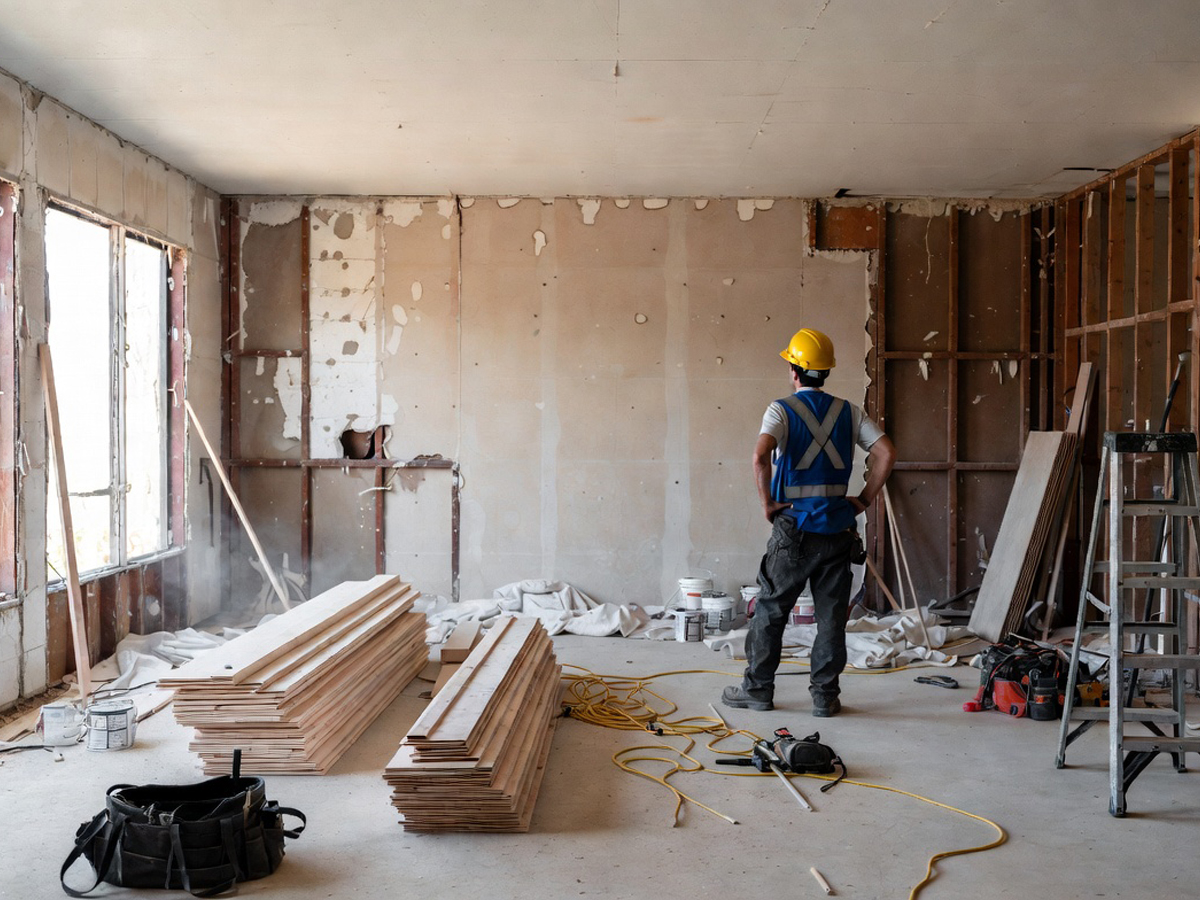
A home remodel feels far less stressful when progress is easy to recognize. The finished result matters, but the path to that result matters just as much. Homeowners should not have to guess whether a project is moving forward, whether a delay is reasonable, or whether the next phase has been properly prepared.
A clear remodeling timeline is not just a list of dates. It is a sequence of visible milestones, trade coordination, inspections, material readiness, and quality-control checkpoints. Some weeks bring dramatic changes, such as demolition or cabinet installation. Other weeks may look quieter because important work is happening behind walls, under floors, or through inspection scheduling.
The safest expectation is not that every remodel will follow the exact same calendar. Project size, permit requirements, structural changes, custom materials, existing home conditions, and inspection availability can all affect the pace. A single bathroom update will not follow the same rhythm as a whole-home renovation, and a room addition has a different milestone path than a cosmetic refresh.
What should remain consistent is communication. Each week should have a purpose. Homeowners should be able to understand what was completed, what is being prepared, what needs approval, and what could affect the next stage. A well-managed remodel creates confidence through steady, explainable progress.
Before looking at weekly milestones, it helps to understand what progress actually looks like during remodeling. Not all progress is equally visible. Some of the most important work happens before surfaces are installed, which means a project can be moving forward even when the space does not look dramatically different from one day to the next.
Visible progress includes work homeowners can easily see. This may include demolition, framing, drywall, tile, flooring, cabinets, countertops, paint, trim, and fixtures. These phases are satisfying because the remodel starts looking closer to the approved design.
Hidden progress includes rough plumbing, electrical wiring, insulation, waterproofing, blocking, ventilation, and structural corrections. These steps are often more important than finish materials because they support safety, durability, and long-term performance.
Planning progress includes permit coordination, inspection scheduling, material ordering, delivery tracking, trade scheduling, and change-order documentation. Homeowners may not see this work physically, but it directly affects whether the next phase can begin smoothly.
A successful home remodel timeline depends on all three types of progress moving in the right order. Skipping hidden or planning steps to create faster visible progress can lead to problems later.
Remodeling delays can happen for reasonable reasons. An inspector may require a correction. A hidden condition may appear after demolition. A special-order material may arrive later than expected. Exterior work may be affected by weather. A homeowner may approve a design change that requires revised labor or materials.
The concern is not always the delay itself. The concern is when no one can clearly explain the delay, document the cause, or identify the next milestone. A schedule adjustment should come with context. Homeowners should hear what changed, why it changed, what decision is needed, and how the project sequence will be managed from that point forward.
Before construction begins, homeowners should have a confirmed scope, an agreed communication rhythm, a general material plan, and clarity about how changes will be handled. For complex rooms, early planning is especially important. A project involving kitchen remodel planning often depends on cabinets, appliance locations, countertop sequencing, plumbing, lighting, and finish coordination working together from the start.
The more decisions that are finalized before crews arrive, the fewer avoidable interruptions the remodel is likely to face once work begins.
The first week should establish order. A remodel should not begin with chaos. Before demolition starts, the jobsite should show signs that the contractor is protecting the home, organizing access, and confirming the exact work areas.
Site protection may include floor coverings, plastic barriers, dust-control measures, vent protection, temporary walls, zipper doors, or protected pathways from the work area to the exit. These details help limit disruption to the rest of the home.
The contractor should identify where materials will be stored, where tools will be staged, where debris will be placed, and how workers will access the property. Homeowners should also know which rooms, driveways, entrances, and utilities may be affected during the first phase.
This kind of preparation does not make a remodel perfect, but it shows that the work is being approached systematically.
Before demolition begins, the contractor and homeowner should walk the space together. This is the right time to confirm what stays, what goes, what must be protected, and what has changed since the original estimate or design conversation.
Important Week 1 confirmations include:
Which walls, flooring, fixtures, cabinets, or finishes are being removed
Which items should be saved, reused, or protected
Where dust barriers and debris paths will be placed
Which utilities may need temporary shutoff
What areas are off-limits to workers
How daily communication will be handled
What milestone should be complete by the end of the week
Week 1 is also a good time for homeowners to take photos of existing conditions. These records can be helpful if questions arise later about previous damage, hidden conditions, or scope details.
By the second week, demolition often becomes the most visible sign of progress. Cabinets may come out, old tile may be removed, flooring may be lifted, drywall may be opened, or fixtures may be disconnected. The exact scope depends on the remodel, but the goal is the same: remove what is necessary while protecting what remains.
Demolition is not just destruction. It is investigation. Once old materials are removed, the contractor can see what was hidden behind walls, under floors, or inside previous remodel work.
A proper demolition phase should leave the space exposed, safer to evaluate, and reasonably organized. Debris should be removed or contained. Open areas should be secured. The homeowner should receive updates if anything unexpected appears.
Common discoveries include water damage, termite damage, mold concerns, outdated wiring, unlevel framing, damaged subfloors, undersized plumbing, or previous work that was not properly installed. Older homes can hold surprises, and those discoveries should be handled through documentation rather than guesswork.
Demolition often reveals wiring that was hidden for years. This might include outdated circuits, unsafe connections, overloaded service areas, missing grounding, damaged wiring, or electrical work that does not match the needs of modern appliances and lighting.
When electrical concerns appear, they should be evaluated before insulation, drywall, tile, or cabinetry limits access. Work involving licensed electrical upgrades belongs early in the timeline because safe wiring, panel capacity, dedicated circuits, and lighting placement affect everything that follows.
Electrical corrections are not the kind of work to postpone until finishes are installed. The right milestone is not simply that demolition is complete. The better milestone is that hidden conditions have been identified, documented, and folded into the next phase responsibly.
After demolition and discovery, the remodel should start taking physical shape. Framing repairs, new partitions, adjusted openings, blocking, ceiling changes, niches, and layout corrections often happen during this stage.
Week 3 is when homeowners can often walk through the space and understand how the new layout will function. A doorway may move. A wall may open. A shower niche may be framed. Cabinet blocking may be installed. A kitchen island location may become clearer. A bathroom vanity wall may be prepared for plumbing, lighting, and mirrors.
This is one of the best times to catch layout concerns. Once drywall, tile, cabinets, and countertops are installed, changes become more disruptive. Homeowners should review spacing, clearances, door swings, cabinet runs, appliance openings, window alignment, shower layout, and fixture placement before the next layer begins.
Many finish materials need strong backing. Cabinets, floating shelves, grab bars, shower glass, wall-mounted faucets, heavy mirrors, televisions, and specialty fixtures may all require blocking inside the walls. If blocking is missed, installation can become harder later.
Good framing work may not look glamorous, but it supports the quality of the finished remodel. Straight walls, proper backing, level openings, and thoughtful layout details all affect how tile, trim, doors, cabinets, and fixtures fit.
Not every home remodel fits neatly into a room-by-room schedule. Projects that create expanded living space may involve foundation work, structural engineering, framing inspections, exterior tie-ins, roof connections, weatherproofing, and a wider permit sequence.
For additions, weekly milestones may focus less on finishes at first and more on structural readiness. A strong schedule should still show progress, but that progress may involve excavation, forms, framing, sheathing, inspections, or enclosure before interior finishes begin.
Week 4 often centers on the systems that make the remodel function. These are the parts homeowners rarely see after completion, but they carry enormous importance.
Rough plumbing may include supply lines, drain lines, shower valves, tub connections, kitchen sink rough-ins, laundry connections, or appliance hookups. Electrical rough-in may include outlets, switches, recessed lights, dedicated appliance circuits, low-voltage wiring, bathroom fan wiring, and lighting control placement.
Ventilation and mechanical work may also happen during this stage. Range hood ducts, bathroom exhaust fans, dryer vents, HVAC adjustments, and return-air considerations should be addressed before surfaces close.
This is the week when homeowners should pay attention to placement. It is much easier to adjust an outlet box, lighting location, shower valve, or appliance connection before drywall is installed.
A home remodel may need rough inspections before insulation and drywall. Depending on the scope, this can include electrical, plumbing, mechanical, framing, or structural inspections. Inspection scheduling can affect the visible pace of work, but it is not wasted time.
Homeowners should expect clear updates about which inspections are required, when they are scheduled, whether they passed, and whether corrections are needed. If a correction is required, that should be explained plainly.
Before walls close, homeowners should verify outlet locations, switch locations, light placement, plumbing heights, appliance hookups, exhaust routes, and blocking for wall-mounted items. This checkpoint protects the rest of the remodel.
Once rough systems and inspections are ready, the remodel begins to shift from exposed construction to finished surfaces. This stage often feels like the home is finally being put back together.
Insulation may be installed where required. Drywall is hung, taped, mudded, sanded, and prepared for primer. Wet areas may receive cement board, backer board, waterproofing membranes, shower pan preparation, or other moisture-control systems.
Wall closure should not be rushed just to make the remodel look more complete. Once walls are closed, mistakes behind them become more difficult to correct.
Bathrooms are small compared with many other remodel areas, but they are technically demanding. Moisture control, drainage, ventilation, plumbing alignment, tile backing, and shower waterproofing all matter before finishes are installed.
A remodel involving bathroom waterproofing and fixture updates should prioritize preparation over speed. A beautiful tile surface cannot compensate for poor waterproofing, weak ventilation, or rushed substrate work behind it.
Homeowners should look for careful preparation, not just fast coverage. The better milestone is a space that is properly ready for finishes.
Drywall is not merely a backdrop. Uneven seams, crooked corners, poorly cut openings, or rough surfaces can affect the final look of the remodel. Cabinets may not sit cleanly against uneven walls. Tile may expose poor transitions. Paint can highlight surface flaws.
By the end of this phase, walls should be closed, surfaces should be prepared, and wet areas should be ready for the next finish layer.
Week 6 is often when the remodel starts looking close to the design vision. Finish materials begin to define the personality of the space.
Flooring may begin or finish, depending on the material and sequencing. Tile may be installed in showers, backsplashes, floors, fireplaces, laundry areas, or accent walls. Cabinet boxes, vanities, interior doors, casing, or trim may be installed.
This is an important quality-control phase. Homeowners should confirm that the installed materials match approved selections. Tile pattern, grout spacing, flooring direction, cabinet alignment, and finish colors should be checked before too much additional work builds on top of them.
Cabinets influence many other milestones. In kitchens, cabinet installation usually comes before countertop templating. In bathrooms, vanity placement affects plumbing trim, mirrors, lighting, and storage function.
Full replacement may require more demolition, delivery coordination, leveling, and layout verification. In some projects, cabinet refacing instead of full replacement may be appropriate when the existing cabinet boxes remain usable and the goal is to update doors, drawer fronts, veneers, finishes, or hardware.
The right cabinet approach depends on the condition of the existing cabinetry, the desired layout, and the scope of the remodel. The timeline should reflect that choice clearly.
Finish work can expose small alignment issues that were not obvious earlier. Homeowners should pay attention to reveal lines, cabinet gaps, tile cuts, flooring transitions, trim fit, and whether materials arrive without visible damage.
This does not mean searching for perfection in every natural material variation. It means confirming that installation quality is consistent, intentional, and aligned with the approved scope.
As the remodel gets closer to completion, the work may appear slower. That is normal. Detail work requires precision, and many small tasks need to happen in the correct order.
Countertops may be templated, fabricated, delivered, and installed according to the project sequence. Sinks, faucets, toilets, shower trim, mirrors, lighting fixtures, appliances, hardware, shelves, and accessories may also be installed.
Paint touch-ups, caulking, baseboards, casing, door adjustments, cabinet hardware, grout cleanup, and fixture testing often happen during this stage. The space should feel more complete, but it may still need refinement.
A punch list is a documented list of remaining items that need correction or completion. It may include paint touch-ups, cabinet alignment, missing caulk, grout haze, loose hardware, scratched finishes, door rubbing, fixture adjustments, outlet plate gaps, appliance leveling, or trim details.
Punch-list items are common near the end of a remodel. The problem is not that small items exist. The problem is when they are dismissed, undocumented, or pushed until after final payment without a clear plan.
Homeowners should document punch-list items with photos and short descriptions. Grouping items by room helps keep the process organized. Functional concerns, such as leaks or outlets that do not work, should be separated from cosmetic items, such as touch-up paint or caulk lines.
The final week of a typical remodel sequence should move the space from construction zone to usable home. Depending on the project, final inspection or permit signoff may be required before the project is officially complete.
Protective coverings should be removed. Debris should be cleared. Surfaces should be cleaned. Fixtures, appliances, doors, drawers, drains, fans, lights, outlets, switches, windows, and hardware should be tested.
The contractor should provide relevant documents, which may include care instructions, warranty information, product manuals, inspection records, change-order documentation, and final project paperwork.
A final walkthrough should never feel rushed. This is the homeowner’s opportunity to confirm that the finished work matches the agreed scope and that remaining items are clearly documented.
During the walkthrough, homeowners should run water at each fixture, test hot and cold supply, check drainage, open cabinets and drawers, test switches and outlets, inspect trim and paint, review grout and caulk, check doors and windows, confirm appliance operation, and verify that agreed materials were installed.
Final approval should be based on completed work, not pressure. A clean handover protects both the homeowner and the contractor because it creates a shared understanding of what is finished and what still needs attention.
Weekly milestones are useful, but different project types have different sequencing needs. The same eight-week framework may work as a planning reference for many interior remodels, but larger or more technical projects can require a broader milestone map.
Kitchen remodels often involve dense coordination. Cabinets, countertops, plumbing, appliance hookups, electrical circuits, lighting, flooring, backsplash, ventilation, and finish details all interact. A delay in one selection can affect several trades.
For example, cabinets may need to be installed before countertop templating. Countertops may need to be installed before final plumbing connections. Appliance specifications may affect outlets, gas lines, water lines, cabinetry openings, and ventilation. This is why kitchen schedules benefit from strong pre-construction planning.
Bathrooms are smaller but highly layered. Plumbing rough-ins, shower valves, drains, waterproofing, tile backing, ventilation, lighting, vanities, mirrors, and fixtures all need to be coordinated.
A bathroom may appear to move slowly during waterproofing or tile preparation, but that careful work protects long-term function. The milestone should be quality readiness, not simply speed.
A room remodel updates existing living space. A garage conversion or ADU build may involve design planning, permits, structural work, insulation, windows, plumbing, electrical systems, kitchen areas, bathrooms, and final approval requirements.
These projects should be tracked through larger milestones, such as permit readiness, framing, rough systems, insulation, drywall, finishes, utility completion, and final inspection. Homeowners should expect a more complex path than a standard interior room remodel.
Exterior improvements may run alongside an interior remodel or follow after heavy construction is complete. Drainage, grading, patios, retaining walls, walkways, irrigation, lighting, planting, and outdoor living features all require proper sequencing.
Interior construction can also affect access to exterior areas. Heavy materials, dumpsters, equipment, and worker pathways may influence when landscape and hardscape work should begin. When outdoor improvements are part of the overall remodel, they should be scheduled with access, drainage, and finish protection in mind.
| Remodel Week | Visible Milestone | Behind-the-Scenes Progress | Homeowner Checkpoint |
|---|---|---|---|
| Week 1 | Site protection, staging, and access setup | Scope confirmation and logistics planning | Confirm work zones, communication, and protection details |
| Week 2 | Demolition and debris removal | Hidden conditions documented | Review discoveries and approve necessary changes in writing |
| Week 3 | Framing and layout shape | Blocking, structural coordination, layout corrections | Walk the space against the approved plan |
| Week 4 | Rough plumbing, electrical, and ventilation | Inspection scheduling and corrections | Verify outlets, switches, fixtures, and hookup locations |
| Week 5 | Insulation, drywall, and waterproofing | Surface preparation before finishes | Confirm walls and wet areas are ready for the next phase |
| Week 6 | Flooring, tile, cabinets, and vanities | Finish sequencing and material installation | Check layout, alignment, patterns, and approved selections |
| Week 7 | Countertops, fixtures, paint, and trim | Punch-list discovery and detail corrections | Document cosmetic and functional items clearly |
| Week 8 | Cleanup, walkthrough, and handover | Final inspections and project documentation | Test systems and confirm completion before final approval |
A remodel does not need to be flawless to be well managed. Good contractors communicate when something changes. They explain the reason, document the adjustment, and keep the next milestone clear.
Homeowners should pay attention when several days pass with no visible work and no explanation. Other warning signs include materials not being ordered on time, inspections not being scheduled, crews arriving without clear tasks, repeated rework, vague change orders, or requests for homeowner decisions that should have been addressed earlier.
A reasonable delay has a reason and a next step. A poorly managed delay creates confusion.
Remodeling involves many moving parts, and verbal conversations can be forgotten or misunderstood. Important changes should be documented in writing. This includes scope adjustments, material substitutions, additional repair needs, schedule impacts, and punch-list commitments.
Clear documentation does not make a remodel less personal. It makes the process more reliable.
Homeowners do not need to manage every trade, but they play an important role in keeping decisions organized. A remodel moves more smoothly when selections are made early and questions are answered promptly.
Key selections often include flooring, tile, cabinets, countertops, plumbing fixtures, lighting fixtures, appliance specifications, hardware, paint colors, shower glass, mirrors, doors, trim profiles, and outlet or switch preferences.
Not every decision must be made at the same moment, but late decisions can affect scheduling. If a product has not been selected or ordered in time, the next trade may not be able to proceed as planned.
A simple weekly rhythm can prevent confusion:
Ask what milestone should be complete by the end of the week.
Confirm which trade is scheduled next.
Review what materials are needed for the next phase.
Ask whether inspections are scheduled, completed, or pending correction.
Approve or reject change orders in writing.
Walk the site before walls, floors, or ceilings are covered.
Photograph progress for personal records.
Keep selections and approvals in one shared thread or document.
Clarify what could affect the following week’s schedule.
Review punch-list items as they appear rather than waiting until the final day.
This rhythm helps homeowners stay informed without taking over the contractor’s role. The goal is steady communication, not constant interruption.
A home remodel is easier to trust when each week has a defined purpose. The project may not always move in a perfectly straight line, but it should never feel directionless. There should be a clear connection between what happened last week, what is happening now, and what needs to happen next.
The best remodeling timelines are transparent, flexible, and grounded in real construction sequence. They account for demolition, hidden discoveries, framing, rough systems, inspections, wall closure, finishes, punch-list work, cleanup, and final walkthrough. They also leave room for honest adjustments when existing home conditions or inspection requirements affect the schedule.
Homeowners do not need to know every technical detail of construction to recognize good project management. They should see organized preparation, documented changes, completed milestones, and clear communication. Whether the work involves a single room or a larger renovation, the remodel should build confidence one completed step at a time.
