
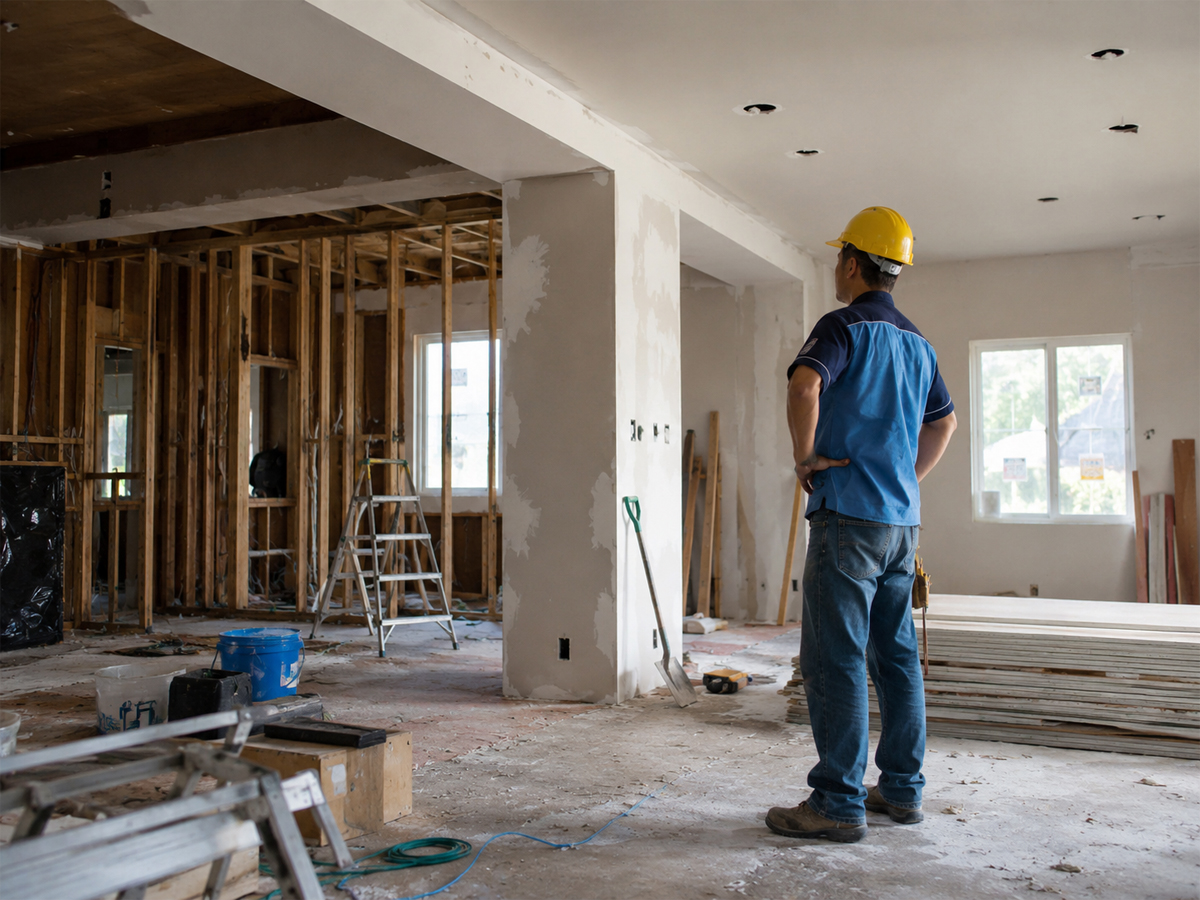
Custom home remodeling is one of the most meaningful ways to improve how a house looks, feels, and functions. It is also one of the most important moments to make durable material decisions before walls are closed, flooring is installed, cabinets are ordered, or outdoor surfaces are finished. A beautiful remodel can lose its value quickly when materials are chosen only for color, trend appeal, or showroom photos. Lasting results come from matching each material to the way the space will actually be used.
Durability is not about choosing the hardest or most expensive product in every category. It is about selecting materials that make sense for foot traffic, moisture, heat, sunlight, maintenance habits, ventilation, structural conditions, and the home’s architectural style. A kitchen countertop has different demands than a bathroom vanity. A garage conversion needs different planning than a living room expansion. Outdoor surfaces must respond to weather, drainage, and sun exposure in ways that interior materials do not.
A strong custom remodel starts with a simple question: What does this material need to survive every day? Once that answer is clear, every finish, fixture, surface, and system can be selected with more confidence.
The most durable remodeling material is the one that fits the room’s real conditions. A floor that performs beautifully in a quiet bedroom may not belong near a back door. A cabinet finish that looks elegant in a showroom may struggle in a busy kitchen where grease, fingerprints, and repeated cleaning are part of daily life.
Kitchens, hallways, family rooms, stairs, and entryways experience constant movement. Shoes, pets, rolling chairs, dropped items, toys, and cleaning tools all affect how surfaces age. For these areas, flooring and wall finishes should be selected for scratch resistance, cleanability, and repair options.
Porcelain tile is often valued for heavy-use areas because it resists moisture, scratches, and staining when installed correctly. Engineered hardwood can provide warmth and visual continuity while offering better dimensional stability than some solid wood applications. Luxury vinyl plank can be practical in family-heavy areas where resilience, water resistance, and easier replacement matter. Sealed concrete can work well in modern interiors, especially when the home’s design supports a clean, minimal surface.
The key is to evaluate more than appearance. Texture, slip resistance, edge durability, acoustic comfort, and repairability all matter. A surface that looks refined but feels slippery, shows every scratch, or requires delicate care may become frustrating in a hardworking space.
Bathrooms, laundry rooms, kitchens, and wet bars place materials under constant moisture pressure. In these spaces, durability depends on more than tile, stone, or paint. The hidden layers behind the visible finish often determine whether the remodel lasts.
Bathrooms are a clear example. Tile can be beautiful and durable, but tile alone is not a waterproofing system. Long-lasting bathrooms require proper backer materials, waterproof membranes, well-planned shower slopes, sealed penetrations, quality grout, ventilation, and moisture-resistant cabinetry. When planning bathroom upgrades with tile, vanities, lighting, and storage, every surface should work with the plumbing, electrical, ventilation, and storage design instead of being selected in isolation.
Vanities also need special attention. A low-quality cabinet box may swell when exposed to humidity or small plumbing leaks. Better material choices include plywood construction, sealed edges, durable finishes, and countertop materials that resist staining and water exposure.
Homes with patios, large windows, sliding doors, and indoor-outdoor layouts need materials that can handle sunlight and temperature changes. Direct sun can fade flooring, dry out wood, discolor fabrics, and make dark hardscape surfaces uncomfortably hot.
For sunlit interiors, homeowners should consider UV-stable flooring finishes, fade-resistant cabinet coatings, quality window treatments, and exterior-rated thresholds near transition points. For outdoor-connected rooms, dust, wind, and foot traffic from patios or gardens may influence flooring texture and cleaning requirements.
Durability in these spaces comes from coordination. The interior floor, exterior hardscape, door threshold, trim, and wall finish should work together so the transition feels intentional and holds up to repeated use.
Material selection becomes easier when each option is evaluated by lifespan, maintenance, repairability, and installation requirements. A material with a long advertised lifespan may still be a poor fit if it requires care the homeowner will not realistically perform.
Flooring is one of the most visible and heavily used parts of a custom remodel. It also has one of the biggest impacts on how connected the home feels. The best flooring choice depends on the room, the subfloor, moisture exposure, comfort expectations, and design continuity.
Porcelain tile works well in bathrooms, laundry rooms, kitchens, and high-traffic areas because it resists water and wear. Engineered hardwood can bring warmth to living rooms, bedrooms, and open-plan spaces while offering a stable structure when properly installed. Luxury vinyl plank may be useful for ADUs, playrooms, and practical family spaces because it is resilient and relatively easy to maintain. Natural stone can add character and permanence, but it typically requires sealing and thoughtful maintenance. Carpet may still make sense in bedrooms where softness and acoustic comfort are priorities, but it is less suitable for wet or heavy-use areas.
Installation is just as important as the material itself. Poor subfloor preparation, moisture issues, uneven surfaces, and missing expansion gaps can shorten the life of even strong flooring products.
Countertops face heat, spills, sharp objects, acidic foods, cleaning products, and daily prep work. A household that cooks multiple meals a day may need a different surface than one that uses the kitchen mostly for coffee, snacks, and entertaining.
Quartz is often selected for its low-maintenance surface and resistance to many common stains. Granite offers natural variation and strength, but it may require sealing depending on the stone. Porcelain slab can provide strong heat resistance and a sleek look, though skilled fabrication is important. Butcher block adds warmth and can be refinished, but it needs regular care. Marble has a classic appearance, but it is more vulnerable to etching and staining, which may be acceptable for some homeowners and frustrating for others.
Countertop durability also depends on edge profiles, slab thickness, support, seams, and how the material is used. A fragile edge in a busy kitchen may chip more easily than a simpler profile. A beautiful stone with poorly placed seams may become a long-term annoyance.
Cabinet durability begins with construction. The cabinet box, door material, finish, hinges, drawer glides, and hardware all affect long-term performance. A strong cabinet system should resist moisture, hold fasteners well, open and close smoothly, and maintain its finish under repeated cleaning.
Plywood boxes, hardwood frames, quality veneers, and durable laminates can all perform well when used appropriately. MDF doors can provide a smooth painted finish, but moisture exposure and edge protection should be considered. Hardware matters too. Soft-close hinges and quality drawer glides reduce stress on cabinet boxes and improve daily function.
When existing cabinet boxes are structurally sound, cabinet refacing with new doors, veneers, and hardware can be a practical way to update the appearance without replacing the full cabinet system. This approach makes the most sense when the layout still works, the boxes are in good condition, and the homeowner wants a refreshed finish rather than a complete reconfiguration.
| Material Category | Strong Options | Best Applications | Maintenance Level | Durability Risk to Watch |
|---|---|---|---|---|
| Flooring | Porcelain tile, engineered hardwood, luxury vinyl plank, sealed concrete | Kitchens, baths, living rooms, ADUs | Low to moderate | Poor subfloor prep or moisture issues |
| Countertops | Quartz, granite, porcelain slab, solid surface | Kitchens, baths, laundry rooms | Low to moderate | Heat damage, seams, stains, or chipped edges |
| Cabinetry | Plywood boxes, quality veneers, hardwood frames, durable laminates | Kitchens, baths, built-ins | Moderate | Swelling, weak hardware, or finish failure |
| Bathroom Surfaces | Porcelain tile, sealed stone, quartz, epoxy grout | Showers, floors, vanities | Moderate | Incomplete waterproofing behind finishes |
| Outdoor Materials | Concrete pavers, natural stone, composite decking, exterior tile | Patios, walkways, outdoor rooms | Low to moderate | Drainage failure, UV exposure, or soil movement |
| Wall Finishes | Washable paint, tile, plaster, moisture-resistant drywall | Living rooms, baths, kitchens, hallways | Low to moderate | Wrong sheen, poor prep, or moisture exposure |
The kitchen is one of the most demanding spaces in a custom remodel. It combines food preparation, water, heat, storage, lighting, foot traffic, and frequent cleaning in one room. Durable kitchen materials need to support the layout, not just decorate it.
A kitchen countertop should be selected around real habits. Homeowners who cook daily may prioritize stain resistance, easy cleaning, and durable edges. Families with children may want surfaces that tolerate spills and repeated wiping. Entertainers may care about large prep areas, island durability, and seamless visual flow.
A strong kitchen plan coordinates counters with cabinets, backsplashes, flooring, lighting, and appliance placement. Well-planned kitchen remodels with cabinetry, countertops, and layout planning can help surfaces perform as part of a complete working environment rather than as isolated design choices.
Backsplashes deserve similar attention. Porcelain, ceramic tile, slab stone, and quartz backsplashes can protect walls from water, oil, and food splatter. Grout should be selected for cleanability, and slab backsplashes can reduce grout lines where a simpler maintenance routine is preferred.
Kitchen cabinets are touched constantly. Doors, drawers, pulls, and edges experience grease, steam, fingerprints, and cleaning products. A finish that cannot handle frequent wiping may age quickly.
Painted cabinets can look refined, but the finish quality and preparation matter. Stained wood can hide some wear and bring warmth. Laminates and textured finishes can offer practical durability in busy households. Thermofoil may provide a smooth look, but heat exposure near appliances should be considered carefully.
Soft-close hinges and drawer glides are often treated as comfort features, but they also support durability. By reducing slamming and impact, they help protect cabinet boxes, drawer fronts, and fasteners over time. Strong hardware makes daily use feel better and helps cabinets keep their alignment longer.
Bathroom remodeling materials must survive humidity, splashing, temperature changes, cleaning products, and limited ventilation. A bathroom can look polished on the surface while hiding weak details beneath the tile or behind the vanity.
Porcelain and ceramic tile are common bathroom choices because they can resist water on the surface. However, tile and grout are not enough by themselves. A long-lasting shower or bathroom floor needs proper substrate preparation, waterproofing, slope, movement joints, and careful detailing around niches, corners, valves, and drains.
Large-format tile can create a clean look with fewer grout lines, but it requires flatter walls and skilled installation. Small mosaic tile can improve traction on shower floors, but it introduces more grout lines to maintain. Natural stone can be beautiful, but it usually needs sealing and more careful cleaning.
Bathroom vanities should be selected for moisture resistance as much as style. Plywood construction, sealed surfaces, durable drawer glides, and proper clearance from wet zones help reduce swelling and finish damage. Quartz and other low-maintenance vanity tops can be useful in bathrooms because they resist many common stains and are easy to clean.
Fixture finishes should also be chosen with maintenance in mind. Chrome, brushed nickel, matte black, brass-toned finishes, and other options can perform well when they are from quality manufacturers and cleaned according to the finish requirements. Harsh cleaners can damage coatings, so durability also depends on everyday care.
Moisture that lingers in the air can shorten the life of paint, grout, cabinetry, mirrors, and framing. A correctly planned exhaust fan, proper ducting, and good air movement help protect the room after showers and baths. In many bathrooms, ventilation is not the most visible upgrade, but it is one of the most important for long-term material performance.
A home addition must do more than create extra square footage. It needs to feel like it belongs to the original structure while meeting current expectations for comfort, efficiency, and durability.
Additions often require careful coordination between roofing, siding or stucco, windows, trim, paint, insulation, and drainage details. The goal is not always to copy every existing material exactly. Sometimes older materials or details can be improved while still respecting the home’s style.
For example, a new exterior wall may use a more durable assembly while matching the color, texture, or proportion of the original home. Window styles can be selected to align with existing architecture while improving insulation and comfort. Trim and paint systems should be chosen for weather exposure, movement, and maintenance.
When planning home additions that expand kitchens, bedrooms, and living space, material choices should support both the structure and the transition between old and new areas. Flooring, baseboards, ceiling height, door casing, and lighting should make the addition feel integrated rather than attached as an afterthought.
The places where old and new meet are often where craftsmanship becomes most visible. Flooring transitions, ceiling lines, wall texture, paint sheen, trim profiles, and lighting temperature all influence whether the addition feels seamless.
A durable transition is also functional. Floors should meet cleanly without trip points. Trim should protect edges while matching the style of the home. Paint and drywall finishes should be selected for light conditions, especially when new windows change how sunlight moves through the space.
Garage conversions and ADUs require careful material decisions because compact spaces work hard. Floors, walls, cabinets, counters, lighting, and mechanical systems may all serve multiple daily functions within a smaller footprint.
A garage was not originally designed like a living space, so finishes should not be selected before moisture, insulation, ventilation, and comfort are addressed. Slab moisture, wall insulation, ceiling conditions, window placement, HVAC, and acoustic separation all affect how materials perform after conversion.
For garage conversions and ADU construction, durable materials should work with permitting, inspections, plumbing, electrical planning, and livability requirements. Flooring, wall finishes, cabinets, and fixtures should be selected only after the space is planned as a complete living environment.
ADUs and converted garages benefit from materials that clean easily and resist frequent use. Luxury vinyl plank, porcelain tile, quartz or solid-surface counters, washable paint, compact cabinetry, and durable fixtures can all be appropriate depending on the design.
Storage is especially important. Built-ins, vertical cabinets, durable shelving, and multi-use surfaces help reduce clutter and protect the finishes from unnecessary wear. In a small space, every material is touched more often, so quality and cleanability matter.
Outdoor remodeling materials face conditions that interior finishes never experience. Sun, rain, irrigation, soil movement, roots, temperature changes, and foot traffic all influence durability.
Patios, walkways, pavers, retaining walls, and outdoor kitchens depend on proper base preparation, slope, compaction, drainage, and edge restraints. A beautiful surface can shift, crack, or settle if the foundation beneath it is not designed correctly.
Outdoor areas that include landscape and hardscape design for outdoor living should coordinate planting, patios, walkways, retaining walls, lighting, stonework, irrigation, and drainage. These elements affect one another. Water from irrigation can undermine hardscape if drainage is poor. Tree roots can disturb paving. Dark surfaces can absorb heat in high-sun areas.
Concrete pavers, natural stone, composite decking, sealed wood, exterior-rated tile, and decomposed granite each have different strengths. Pavers can be repairable in sections. Natural stone offers character but may need sealing. Composite decking can reduce some maintenance needs compared with wood, though heat and fading should still be considered. Exterior tile requires proper slip resistance and installation materials rated for outdoor conditions.
Shade planning also affects durability. Pergolas, trees, overhangs, and covered patios can reduce sun exposure and improve comfort. Outdoor material selection should account for how the space feels under real afternoon light, not only how it looks in a sample display.
Materials that last depend on systems that support them. Electrical, plumbing, ventilation, insulation, and HVAC decisions can protect or undermine the surfaces homeowners see every day.
Modern remodels often include updated lighting, appliances, smart controls, EV charging, outdoor lighting, bathroom ventilation, kitchen circuits, and ADU power needs. These features require planning before walls are closed and finishes are installed.
Coordinating electrical services for panel upgrades, rewiring, and lighting with the remodeling plan helps protect finished surfaces from avoidable disruption later. When electrical capacity, switch locations, lighting layers, and dedicated circuits are planned early, the finished remodel can function more safely and comfortably.
A small plumbing leak can damage cabinets, flooring, drywall, and tile assemblies. Reliable shutoff access, quality fixtures, proper drain placement, and careful coordination with cabinetry can reduce risk. In kitchens, bathrooms, laundry rooms, and ADUs, plumbing should be planned with serviceability in mind.
Ventilation also protects materials. Kitchen exhaust reduces grease buildup and odors. Bathroom fans manage humidity. HVAC and air sealing help reduce temperature swings and condensation. These systems may not be the first thing people notice, but they help finishes stay cleaner, drier, and more stable.
A lasting custom remodel should not feel cold, generic, or overly cautious. Durable materials can still be warm, expressive, and personal. The best results come from knowing where to invest in performance and where to use flexible design details.
Some materials are difficult to replace once installed. Flooring under cabinets, waterproofing behind tile, cabinet boxes, countertops, windows, and electrical infrastructure are not simple decorative changes. These areas deserve careful selection because failure can involve demolition, inconvenience, and damage to surrounding finishes.
Other elements are easier to update. Cabinet pulls, mirrors, decorative light fixtures, paint colors, and accessories can change as taste evolves. A practical remodeling strategy uses durable foundational materials and more flexible accents.
Every material has a maintenance profile. Natural stone may need sealing. Wood may need refinishing. Grout may need cleaning. Painted cabinets may require gentle care. Outdoor materials may need periodic washing or resealing depending on the product.
A material is only a good fit if the homeowner is comfortable with its care requirements. Choosing a high-maintenance surface for a low-maintenance household often leads to disappointment. Honest planning creates better results than relying on wishful thinking.
A long-lasting remodel does not need to avoid character. Texture, color, pattern, and contrast can all be used strategically. A neutral porcelain floor can pair with warm wood cabinetry. A simple quartz counter can work with bold hardware. A classic cabinet profile can feel current with modern lighting. Outdoor stone can complement drought-conscious planting and clean architectural lines.
The most successful custom remodeling materials support both daily life and the home’s identity. They feel personal without depending entirely on short-lived trends.
Material decisions become easier when every option is tested against the same practical questions. This helps prevent choices based only on appearance, urgency, or trend appeal.
Where will this material be installed?
How much moisture, heat, grease, sunlight, or foot traffic will it face?
What cleaning products are safe for it?
Does the manufacturer require sealing, refinishing, or special maintenance?
Can it be repaired or replaced in sections?
Does it fit the home’s architecture and surrounding materials?
Is the installer experienced with this exact product?
Will the substrate, ventilation, or electrical system support it properly?
How will the material look after years of normal daily use?
Does the warranty match the way the material will actually be used?
Some materials raise concerns before they are ever installed. Vague “builder-grade” descriptions, unclear warranty information, poor moisture compatibility, fragile surface coatings, and unrealistic maintenance requirements should be taken seriously. A product selected only because it is trending may not support the home’s long-term value or the owner’s lifestyle.
Installer familiarity also matters. Some products require specific adhesives, expansion gaps, waterproofing methods, cutting tools, or substrate preparation. A strong material can fail when installed incorrectly.
Samples should be viewed in the home whenever possible. Natural light, artificial lighting, wall color, adjacent flooring, and outdoor exposure can change how a material appears. Texture should be felt, not just seen. Flooring should be checked for slip resistance. Cabinet finishes should be evaluated for fingerprints and cleaning needs. Countertop samples should be considered alongside backsplash, flooring, and cabinet colors.
This process helps homeowners choose materials that feel right in the actual space, not only in a showroom.
Materials do not perform alone. Tile needs waterproofing. Cabinets need stable installation and ventilation. Countertops need proper support. Flooring needs a prepared subfloor. Outdoor surfaces need drainage. Electrical systems need enough capacity for modern use. Every durable remodel is the result of connected decisions.
Choosing materials that last means thinking beyond the first impression. It means asking how each surface will handle moisture, traffic, heat, sunlight, cleaning, movement, and time. It also means respecting the home’s structure and style so the finished result feels natural, dependable, and comfortable.
A custom home remodel should look beautiful when it is complete, but its real value is proven through daily use. The right materials help a kitchen stay functional, a bathroom stay fresh, an addition feel seamless, an ADU remain practical, outdoor spaces stay inviting, and the entire home feel stronger for years of real living.
